Science in Cooking
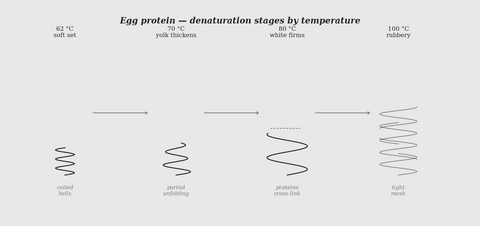
Eggs are one of the most precisely controllable ingredients in the kitchen — and also one of the most consistently overcooked. The difference between a silky, just-set egg and a rubbery one is a matter of a few degrees. Here is what is actually happening inside the shell.
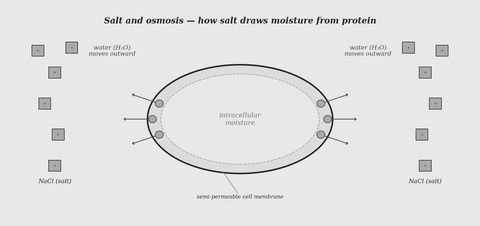
Salt does not just make food salty. Remove it from a well-seasoned dish and the sweetness, acidity, and umami all collapse into something flat. Salt makes food taste more like itself — but only if you add it at the right moment.
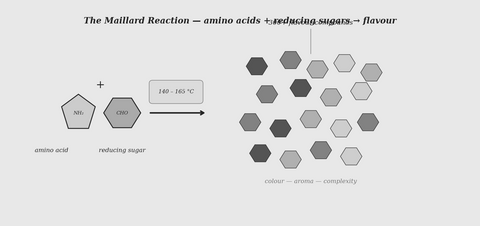
You have been told that searing seals in the juices. It does not. What actually happens when you put a steak, a piece of bread, or a sliced onion over high heat is more interesting — and more useful — than any myth about moisture retention.
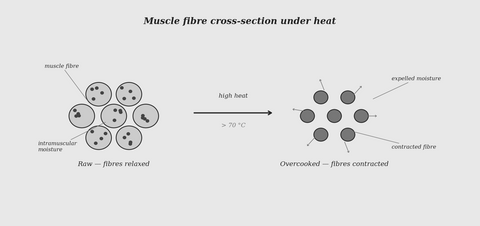
By the time your steak looks done, it is already overdone. Most home cooks rely on colour as their guide — but colour is a surface event. Temperature is everything. Here is what is actually happening inside the meat, and how to stop overcooking it forever.