Science in Cooking
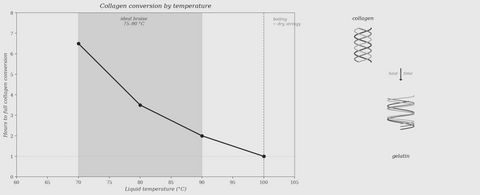
The toughest cuts of meat — shin, cheek, oxtail, shoulder — become the most unctuous when cooked correctly. This post explains the collagen breakdown that makes braising work, and why time and temperature are the two variables that determine everything.

Restaurant pasta is glossy, clingy, saucy. Home pasta is often dry, or swimming in separated oil. The difference is almost always pasta water — and understanding why it works changes every pasta dish you make.

Cutting into meat straight from the pan is one of the most common and costly mistakes in home cooking. This post explains exactly what happens inside a piece of meat as it rests — and why those minutes off the heat are as important as the minutes on it.

Most home cooks make weak, thin stock because they don't understand what they're actually extracting. This post explains the collagen-to-gelatin conversion that makes stock worth making — and why a stock that sets solid in the fridge is the goal, not a problem.