Science in Cooking
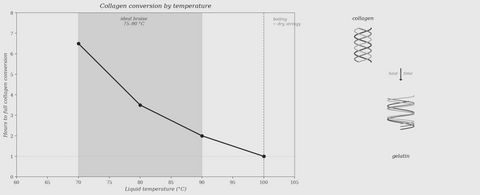
The toughest cuts of meat — shin, cheek, oxtail, shoulder — become the most unctuous when cooked correctly. This post explains the collagen breakdown that makes braising work, and why time and temperature are the two variables that determine everything.

Restaurant pasta is glossy, clingy, saucy. Home pasta is often dry, or swimming in separated oil. The difference is almost always pasta water — and understanding why it works changes every pasta dish you make.

Cutting into meat straight from the pan is one of the most common and costly mistakes in home cooking. This post explains exactly what happens inside a piece of meat as it rests — and why those minutes off the heat are as important as the minutes on it.

Most home cooks make weak, thin stock because they don't understand what they're actually extracting. This post explains the collagen-to-gelatin conversion that makes stock worth making — and why a stock that sets solid in the fridge is the goal, not a problem.
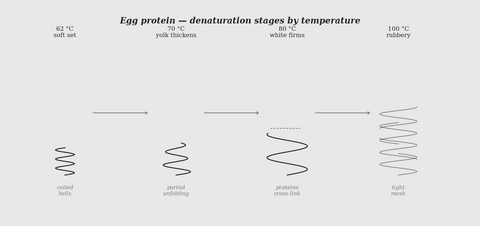
Eggs are one of the most precisely controllable ingredients in the kitchen — and also one of the most consistently overcooked. The difference between a silky, just-set egg and a rubbery one is a matter of a few degrees. Here is what is actually happening inside the shell.
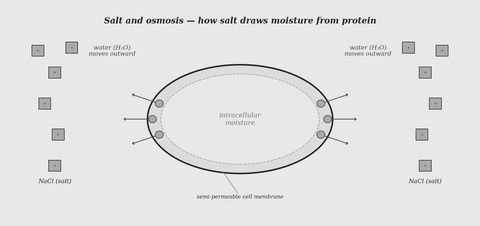
Salt does not just make food salty. Remove it from a well-seasoned dish and the sweetness, acidity, and umami all collapse into something flat. Salt makes food taste more like itself — but only if you add it at the right moment.
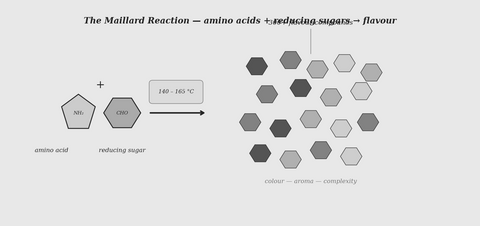
You have been told that searing seals in the juices. It does not. What actually happens when you put a steak, a piece of bread, or a sliced onion over high heat is more interesting — and more useful — than any myth about moisture retention.
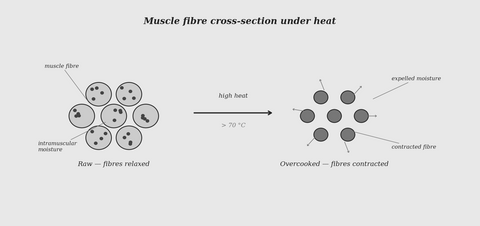
By the time your steak looks done, it is already overdone. Most home cooks rely on colour as their guide — but colour is a surface event. Temperature is everything. Here is what is actually happening inside the meat, and how to stop overcooking it forever.